
Bhastrika Pranayam is the bellows breath that changed my tired mornings completely. For months I was waking up dull, needing two cups of chai just to feel alie, until my grandfather taught me this one powerful breathing technique from our ancient wisdom.
What Is Bhastrika Pranayam Really?
Bhastrika Pranayam is not just normal breathing. Its name comes from Bhastra, the bellows that a village blacksmith uses to pump air. When he pumps the bellows, cold coal turns into burning fire. Your lungs work the same way. This breathing technique pumps your breath so forcefully that the dullness, the kapha, and the stale air inside your chest turns into heat and fresh energy. That is why old yogis called this energizing practice the fire-breathing pranayam. It is known to clean your nasal passage, increase oxygen, and awaken your whole body in just ten breaths. If Anulom Vilom is like moonlight that calms you, Bhastrika Pranayam is like morning sunlight that wakes you up.
How To Do Bhastrika Pranayam – The Way My Grandfather Taught Me
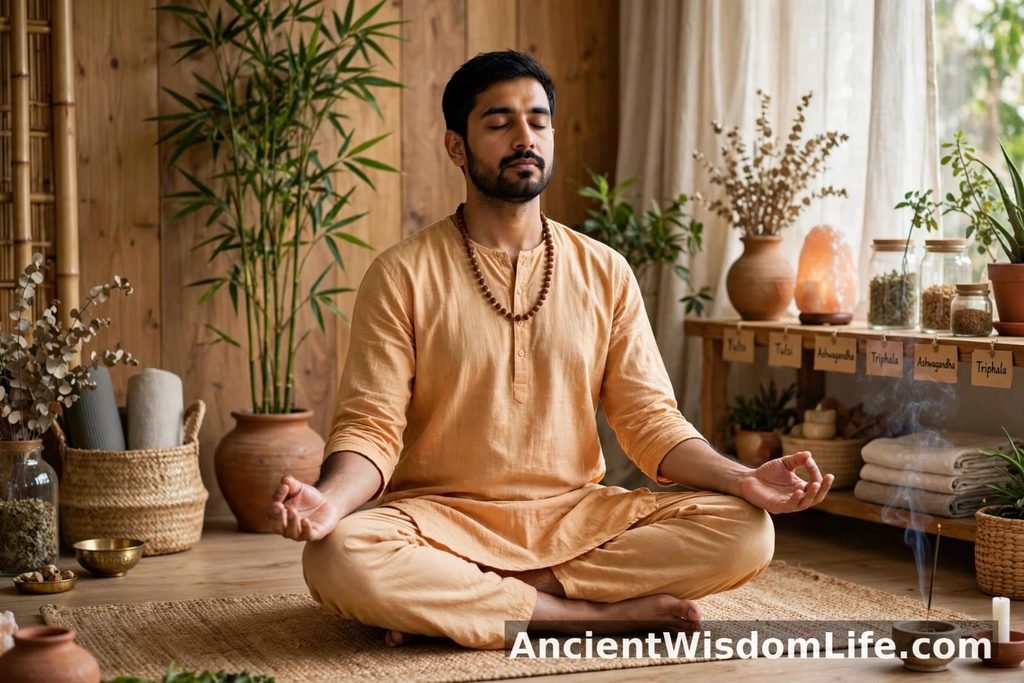
Learning how to do Bhastrika Pranayam is very simple if you follow the right steps. My grandfather made me sit on the floor in Sukhasana, back straight like a temple pillar, eyes closed, hands in Gyan Mudra on my knees. He said, now inhale through both nostrils as if you want to drink the entire morning sky, let your chest rise fully like a balloon filling with air. Then immediately exhale with the same force through the nose, as if you are blowing dust off your heart, let your chest and belly fall naturally. This is one cycle of this technique. Do not do it softly like you are afraid. In this breathing technique both inhale and exhale must be equally powerful and active. Start with only ten such powerful breaths, this is one round. Then sit quietly and breathe normally for thirty seconds. Rest and watch your body. Then do ten breaths again. Do three such rounds in the morning on an empty stomach. This is the correct way to practice this pranayam daily at home.
What Happened After Ten Breaths of Bhastrika Pranayam
I still remember my first day of this Pranayam. By the seventh breath, my fingers became warm, my ears started buzzing, and sweat came on my forehead even in winter. By the tenth breath of Pranayam, my eyes opened by themselves and I felt completely awake without any tea. For months I needed caffeine to start my day, that day after doing Bhastrika Pranayam I needed nothing. My grandfather laughed and said you clean your room every day, when did you last clean your lungs? This technique cleans the stale air inside, removes tiredness, improves lung capacity, boosts digestion fire, and brings clarity to the mind. Regular practice of this fire- breathing technique also helps to increase oxygen supply, boost metabolism, clear blocked nose, and improve focus for students and office workers.
Who Should Not Do Bhastrika Pranayam
Bhastrika Pranayam is a powerful fire, so not everyone should light it without precautions. You should not do Bhastrika Pranayam if you have high blood pressure, heart disease, hernia, gastric ulcer, vertigo, epilepsy, or if you are pregnant. Never practice this Pranayam at night because it creates heat and energy that will steal your sleep. Never do Bhastrika Pranayam immediately after eating food, always do it on an empty stomach early morning. If you feel dizzy, chest pain, or too much uneasiness while doing Bhastrika Pranayam, stop immediately and breathe normally. Breath should give you life, not fear.
Always learn Bhastrika pranayama slowly and increase gradually.
Practice Bhastrika Pranayam daily and feel the ancient fire awakening inside your body and mind.
Learn More: To understand the science behind breathing techniques, read this detailed guide on pranayama from WebMD.
http://www.webmd.com/balance/what-is-pranayama
Also read benefits of different pranayams.
Disclaimer: This content is for educational purposes only and is not medical advice. Consult your doctor or a certified yoga teacher before practicing Bhastrika Pranayam, especially if you have health conditions like high blood pressure, heart disease, or pregnancy.